
Ever had that gut-wrenching moment when you realize your crypto wallet’s private keys might be exposed? Yeah, me too. It’s like leaving your house keys under the flowerpot—only way worse. The thing is, private keys are the golden ticket to your digital fortune, but keeping them secure has always been a tricky dance between convenience and safety. Hmm… something felt off about the usual cold storage solutions; they’re bulky, sometimes clunky, and honestly, a bit intimidating for everyday folks.
Here’s the thing. Imagine slipping your private keys into what looks like a credit card—something sleek, familiar, and easy to carry. That’s where NFC technology and smart cards come into play. They’re reshaping how we think about crypto security, making it not just about impenetrable vaults but also about seamless user experience. Initially, I thought this was just a gimmick, but then I started digging deeper.
Smart cards with embedded NFC chips allow you to interact with your wallet wirelessly, without exposing your keys to potentially compromised devices. That’s huge. On one hand, hardware wallets have been around for a while, but many feel daunting or inconvenient. Though actually, this new wave of hardware wallets that double as smart cards is bridging that gap—offering multi-currency support and ultra-portable design.
Really? Yes, really. I stumbled upon the tangem hardware wallet, which nails this concept. It’s basically a smart card that stores private keys securely inside a tamper-proof chip and uses NFC to communicate with your phone. No cables, no fiddling. Just tap and transact. I was kinda skeptical at first—how secure can a card like this be? But their approach is more than skin-deep.
Wow! The card uses secure elements that are common in banking cards, hardened against cloning and hacking attempts. Plus, the private keys never leave the card. So even if your phone is compromised, the attacker can’t steal your keys just by pairing or scanning. This is a subtle but very very important difference.
Now, let’s talk multi-currency support. Most hardware wallets focus on Bitcoin or a handful of coins. But smart card wallets like Tangem support a broad range of cryptocurrencies. This versatility means you don’t need multiple devices cluttering your pocket or desk. I’m biased, but that’s a breath of fresh air in the crypto hardware space.
And here’s a little tangent: NFC tech isn’t just convenient; it’s also a security feature. Since the communication range is extremely limited—usually just a few centimeters—it drastically reduces the risk of remote attacks. You literally have to be almost touching the card to interact with it. This physical proximity requirement adds a layer of safety that makes me sleep a bit better at night.
But I’m not gonna sugarcoat it—there are caveats. The reliance on NFC means your phone needs to support it, and there’s always the risk of losing the card itself. (Oh, and by the way, if you’re like me, you might occasionally misplace your wallet.) However, smart cards usually come with backup and recovery options, sometimes involving seed phrases or paired devices. It’s not foolproof, but it’s a step forward from juggling paper wallets or remembering long, complex keys.
One more thing that caught my attention is the durability factor. Unlike some hardware wallets that are delicate or require careful handling, smart cards are designed to be robust—waterproof, scratch-resistant, and pocket-friendly. For a casual user or someone who’s always on the move, that’s a pretty compelling feature.
Okay, so check this out—using a tangem hardware wallet means your private keys are stored in a secure enclave on the card. When you initiate a transaction, the card signs it internally and sends back only the signed data, never revealing your keys. It’s like having a mini bank vault that fits in your wallet.
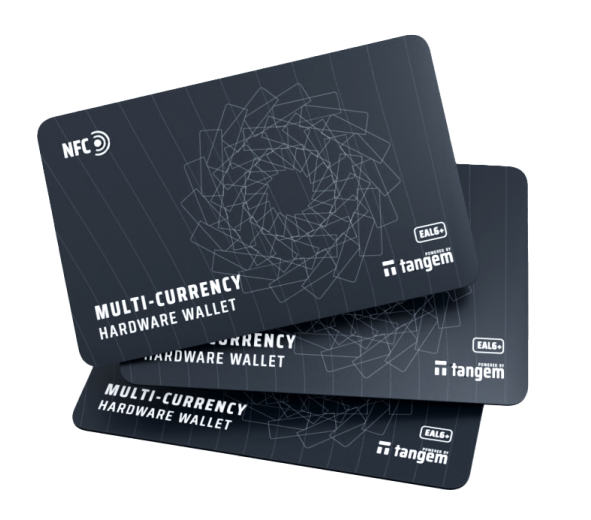
Why NFC and Smart Cards Matter in Crypto Security
At first glance, NFC might seem like just a neat gadget feature, but it’s actually a pivotal shift in wallet design. The traditional USB hardware wallets require cables, drivers, and sometimes complicated software. That’s a barrier for many. Smart cards use NFC, which works with most smartphones out of the box—no extra setup needed. This lowers the entry threshold for crypto security significantly.
Something else to consider is the attack surface. Traditional wallets connected to computers can be vulnerable to malware or phishing attacks. But since smart cards handle the signing internally and don’t expose keys externally, the overall security posture is stronger. Still, trusting the card’s firmware and manufacturing process is crucial, so transparency and audits matter a lot.
Initially, I thought NFC wallets might be niche or gimmicky, but then I realized their potential for mass adoption. Think about it—people are used to tapping cards for payments daily. Extending that familiarity to crypto storage could be a game changer, especially for newcomers who find seed phrases and key management overwhelming.
On one hand, hardware wallets have been the gold standard for years, but their complexity has held back widespread use. On the other hand, smartphone apps alone are risky. Smart card wallets with NFC hit a sweet spot: combining physical security with ease of use. Actually, wait—let me rephrase that. They don’t replace traditional wallets entirely but offer a complementary option that’s more accessible.
Here’s what bugs me about some hardware solutions—they focus too much on hardcore security without considering user experience. If it’s too hard to use, people won’t adopt it, and that defeats the purpose. Smart cards like Tangem’s make security almost invisible once you get the hang of it. You just tap, confirm, and go.
And because the card supports multiple currencies, it’s great for those of us who like to diversify. I mean, juggling different wallets for Bitcoin, Ethereum, and other altcoins is a pain. Having one card that handles them all keeps things tidy. Although, I’ll admit, managing transactions across diverse blockchains still requires some tech-savviness.
Lastly, I can’t help but appreciate the design. It’s sleek, minimalistic, and fits right alongside your credit cards. No bulky devices or weird dongles. The card’s form factor itself encourages people to treat their crypto as seriously as their fiat money.
So yeah, protecting private keys using NFC-enabled smart cards like the tangem hardware wallet feels like a natural evolution. It blends security with usability in a way that makes sense for everyday life.
Still, questions remain. How will these devices hold up against future quantum threats? Can their firmware keep pace with emerging vulnerabilities? And, of course, will users remember to guard the card as carefully as their cash? For now, though, this is one of the most promising steps toward making crypto safer and simpler.
Common Questions About NFC Smart Card Crypto Wallets
Is using NFC smart cards really safer than traditional hardware wallets?
Generally, yes. NFC smart cards isolate private keys inside secure chips and require close proximity to interact, reducing attack vectors. But security depends on the card’s build quality and firmware integrity.
What happens if I lose my smart card wallet?
Most smart card wallets provide backup options like seed phrases or paired recovery devices. Losing the card means you’ll need those backups to restore access, so keep them safe and separate.
Can I use NFC smart card wallets with any smartphone?
Most modern smartphones support NFC, especially Android and newer iPhones. However, older devices or some models might lack or limit NFC functionality, so it’s worth checking compatibility.
Do these wallets support multiple cryptocurrencies?
Yes, many NFC smart card wallets, like the tangem hardware wallet, support a broad range of coins and tokens, making them versatile for diversified portfolios.